By Albert Ramos
April 7, 2026
Maintaining your vehicle's tires is crucial for ensuring safety, optimal performance, and long-lasting durability. Proper tire care involves more than just checking air pressure; it includes seasonal maintenance, regular inspections, monitoring tread depth, and keeping wheels properly aligned. By consistently following rotation schedules, inspecting for damage or uneven wear, and addressing issues promptly, drivers of all experience levels can improve handling, increase fuel efficiency, extend tire life, prevent unexpected breakdowns, and enjoy a smoother and more reliable driving experience in a variety of weather and road conditions.
Tire Pressure Basics
Importance of Proper Tire Inflation
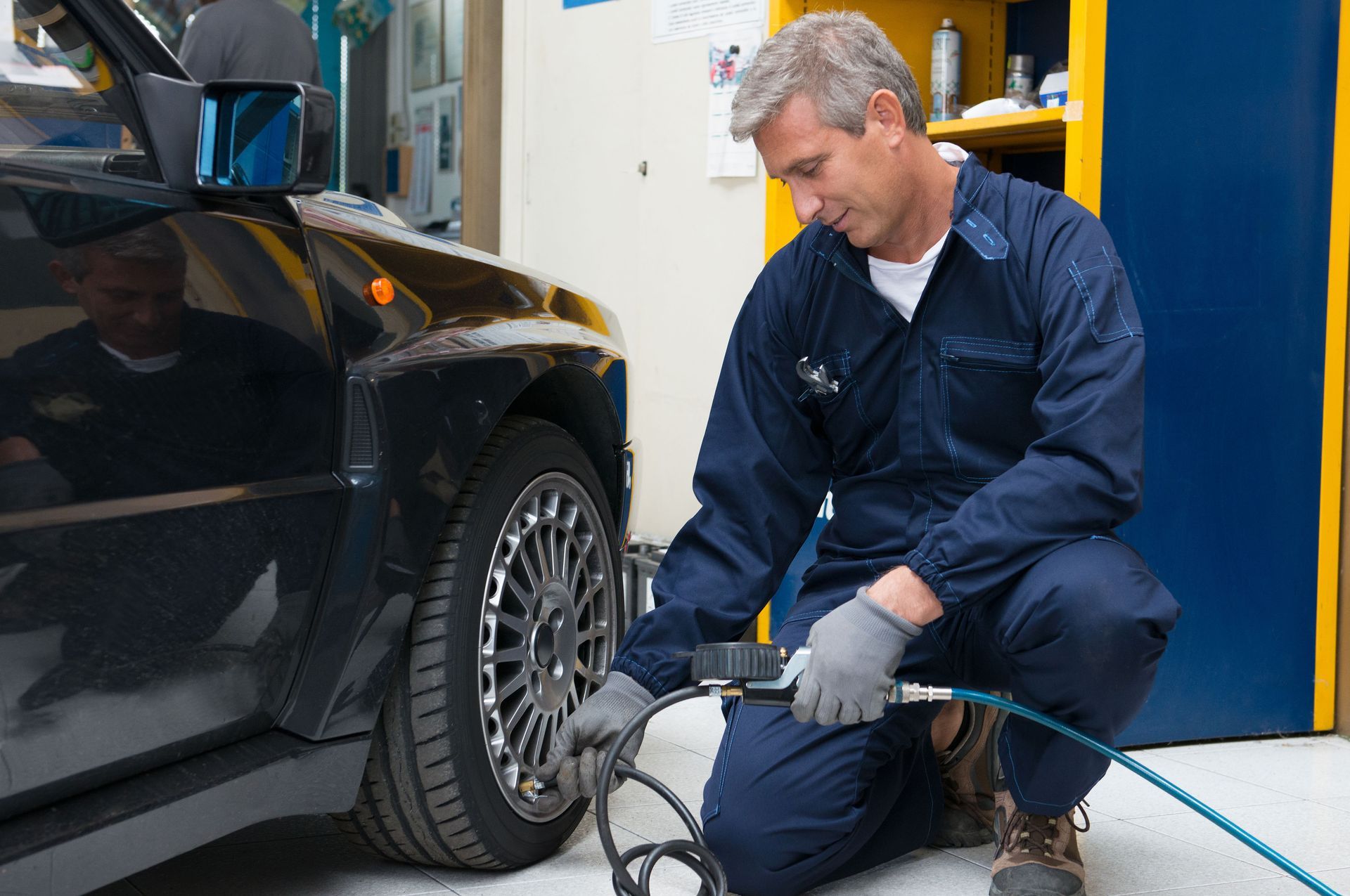
Proper tire inflation is critical for the safety and performance of your vehicle. Keeping your tires inflated to the recommended pressure helps ensure optimal contact with the road surface, which enhances traction and handling. Additionally, correctly inflated tires can improve fuel efficiency by reducing rolling resistance. According to the National Highway Traffic Safety Administration, proper tire inflation can extend a tire's life by up to 4,700 miles, which can result in substantial savings over time. Overall, maintaining proper inflation is an easy yet essential step in ensuring vehicle performance and tire longevity.
How to Check Tire Pressure
Checking your tire pressure is a straightforward task that can prevent many potential problems. First, you'll need a reliable tire gauge, which you can purchase from auto stores or online retailers. It's best to check the tire pressure when the tires are cold, as heat from driving can affect the reading. Remove the valve cap from the tire and press the gauge onto the valve stem to get a reading. Compare this reading with your vehicle manufacturer's recommended pressure, which is usually found in the owner's manual or the driver's side door jamb.
When to Adjust Tire Pressure
Regularly adjusting tire pressure is crucial for maintaining optimal driving conditions. It's advisable to check your tire pressure at least once a month and before long trips. Temperature changes can also affect tire pressure; for every 10-degree change in Fahrenheit, tire pressure changes by about 1 PSI. Therefore, you'll need to monitor tire pressure more frequently in seasons with fluctuating temperatures. Properly inflating your tires not only ensures safety but also maximizes tire lifespan, contributing to a more economical and smooth driving experience.
The Risks of Incorrect Tire Pressure
Incorrect tire pressure can lead to a range of safety hazards and inefficiencies. Under-inflated tires can overheat, increasing the risk of a blowout that could lead to a serious accident. Overinflated tires, on the other hand, can reduce traction and make the vehicle more susceptible to damage from potholes and other road irregularities. Moreover, improper inflation can result in uneven tire wear, reducing the lifespan of your tires and costing you more in replacements. In the long run, failing to maintain the proper tire pressure will lead to higher operational costs and compromised vehicle safety.
Tire Rotation Essentials
What is Tire Rotation?
Tire rotation involves moving tires from one position on the vehicle to another to ensure even wear. This practice is crucial because the tires on different axles and positions experience varying forces and degrade at different rates. For example, in a front-wheel-drive vehicle, the front tires typically wear faster due to handling most of the braking and steering forces. By rotating your tires, you can achieve more uniform tread wear, maximizing the total life of the tires. Regular tire rotation can support better handling and traction, providing a safer driving experience.
Benefits of Regular Tire Rotation
Regular tire rotation offers numerous benefits beyond extending tire life. One significant advantage is enhanced vehicle handling, as evenly worn tires offer consistent contact with the road. This consistency can contribute to smoother rides and more responsive steering, particularly in adverse conditions. Tire rotation also helps maintain traction and even tread wear, lowering the risk of tire noise and uneven braking. Furthermore, even if your tires seem fine, regular rotation serves as a preventive measure, identifying alignment issues and potential damage early on.
Frequency of Tire Rotation
The frequency of tire rotation depends on several factors, including the make and model of the vehicle, driving conditions, and the type of tires used. Most manufacturers recommend rotating tires every 5,000 to 7,500 miles, roughly the interval between oil changes. For more specific guidance, refer to your vehicle's owner manual or consult with a tire professional. Regular inspection, especially for excessive wear on one side, can indicate that tire rotation might be needed sooner. Consistently adhering to a rotation schedule can prevent uneven wear, prolong tire lifespan, and ensure a balanced driving experience.
Tire Rotation Patterns
Understanding tire rotation patterns is crucial to ensuring even tire wear. The most common patterns include front-to-back, X-pattern, and side-to-side, each suited to different vehicle types. For front-wheel-drive vehicles, front-to-rear or X-pattern rotations are typically recommended. In contrast, rear-wheel-drive and all-wheel-drive vehicles might benefit from side-to-side patterns to balance wear. It's important to consult your car's manual or a professional to determine the best rotation pattern for your specific vehicle type and tire setup, optimizing traction and tire lifespan.
Tire Balancing and Alignment Tips
The Role of Balancing Tires
Tire balancing is crucial to ensure a smooth ride. Unbalanced tires can cause vibrations, leading to tire and suspension wear over time. During balancing, tire professionals add weights to the wheel to counteract imbalances, ensuring that it spins smoothly. Regularly balanced tires contribute to even wear, enhancing overall performance and safety. Ignoring this maintenance can result in poorer fuel efficiency and potential damage to other vehicle components.
Signs Your Tires May Be Unbalanced
Recognizing the signs of unbalanced tires can prevent further vehicle issues. Common indicators include vibration in the steering wheel, seat, or floor at certain speeds. Unusual wear patterns on tire treads can also suggest balancing issues. If you experience these symptoms, it's advisable to have your tires professionally checked. Addressing the imbalance early can prevent undue wear and maintain driving comfort and safety.
The Importance of Wheel Alignment
Aligning your wheels is essential for vehicle efficiency and tire longevity. Misalignment can cause uneven tire wear, affecting handling and potentially leading to more frequent tire replacements. Proper alignment ensures that the tire angles are set correctly, as specified by the vehicle manufacturer. Regular alignment checks improve fuel efficiency and prevent strain on the vehicle's steering and suspension systems. Overlooking misalignment can result in safety issues, increased fuel costs, and unnecessary expenses.
Seeking Professional Balancing and Alignment
When it comes to balancing and alignment, professional services provide the most reliable results. Tire technicians use advanced equipment to ensure precise balancing and alignment, addressing issues that less experienced mechanics might miss. Professionals can also identify potential issues like worn components that may affect alignment, recommending necessary repairs. Regular visits to tire service centers can prolong your tires' lifespan and improve overall vehicle safety. Consistently maintaining balanced and aligned wheels ensures optimal driving conditions and reduces unnecessary stress on your car's suspension.
By adhering to these basic tire upkeep practices, you can enhance the performance, safety, and longevity of your tires. Regular maintenance not only saves money but also ensures your vehicle remains reliable on the road under various conditions. Staying proactive with tire care reduces the risk of unexpected issues, such as blowouts or uneven wear, that can compromise safety. Over time, these simple habits contribute to smoother driving, better traction, and greater peace of mind, making tire maintenance a critical part of responsible vehicle ownership. For professional assistance with maintaining your tires, contact GTS Tires & Auto Service today!