By Albert Ramos
August 11, 2026
Advanced driver-assistance systems have transformed the way modern vehicles support drivers on the road. Features such as automatic emergency braking, lane departure warnings, adaptive cruise control, blind-spot monitoring, and parking assistance rely on cameras, radar units, ultrasonic sensors, and other precise components. When these systems are affected by a collision, windshield replacement, suspension repair, alignment service, or other mechanical work, they may no longer interpret the vehicle’s surroundings correctly. As more vehicles include this technology, the need for accurate ADAS calibration continues to increase. Drivers, repair facilities, insurers, and automotive professionals are paying closer attention to proper system adjustment because even a small misalignment can affect how safety features perform.
Recognizing the Growth of Vehicle Safety Technology
Automakers continue to include more driver-assistance features in both standard and optional equipment packages. Technology that was once limited to luxury vehicles is now appearing in family sedans, pickup trucks, sport utility vehicles, and compact cars. These systems monitor road markings, nearby vehicles, pedestrians, traffic signs, and potential obstacles to provide warnings or assist with braking and steering. As more vehicles with these features enter the market, repair shops must be prepared to service the electronic components that support them.
According to CCC Intelligent Solutions, the Highway Loss Data Institute projects that by 2029, eight ADAS systems will be included in half or more of registered vehicles, up from just three systems by 2027. This rapid expansion means that a growing number of routine repairs may involve sensors or cameras connected to safety systems. Shops that once focused primarily on mechanical or cosmetic work now need specialized tools, training, and procedures to complete ADAS calibration correctly after affected components are repaired, replaced, or repositioned.
Understanding the Importance of Sensor Accuracy
Driver-assistance systems depend on highly accurate measurements. A forward-facing camera may need to identify lane markings and road signs, while radar equipment may calculate the speed and distance of nearby vehicles. These components must be positioned at precise angles and heights to provide useful information. A sensor that is slightly shifted may still appear intact but could send inaccurate data to the vehicle’s control modules. This may lead to delayed warnings, unnecessary alerts, or assistance that activates at the wrong time.
Proper ADAS calibration restores these components to the specifications established by the manufacturer. The procedure helps ensure that the vehicle understands where its sensors are pointing and how the information they collect should be interpreted. Because different makes and models use different equipment and software, technicians must follow vehicle-specific instructions rather than relying on a single process. Accurate adjustment supports dependable performance and helps drivers receive the intended benefits of their vehicle’s safety technology.
Distinguishing Between Static and Dynamic Procedures
Calibration procedures generally fall into static, dynamic, or combined categories. Static calibration is performed while the vehicle remains stationary in a controlled shop environment. Technicians position specialized targets, reflectors, or patterns at exact distances and angles from the vehicle. The work area must have sufficient space, level flooring, proper lighting, and minimal visual interference. Measurements must be precise because inaccurate target placement can compromise the results. Diagnostic software then guides the technician through the process for each affected system.
Dynamic calibration requires the vehicle to be driven under specific road conditions while connected to diagnostic equipment. The procedure may require clearly visible lane markings, certain vehicle speeds, suitable weather, and a defined amount of driving time. Some vehicles require both static and dynamic steps before the process is complete. A professional ADAS calibration provider must understand the correct method for each vehicle and confirm that all required conditions have been met before considering the system successfully calibrated.
Addressing the Challenges of Modern Vehicle Repairs
Modern vehicles combine mechanical, structural, electrical, and software-based systems in increasingly complex ways. A change in one area may affect components that seem unrelated. For example, an alignment adjustment can influence the directional reference used by cameras and radar equipment. A new windshield may have the correct shape but still require precise camera positioning. These connections make it difficult to evaluate repairs based only on visual appearance or traditional mechanical testing.
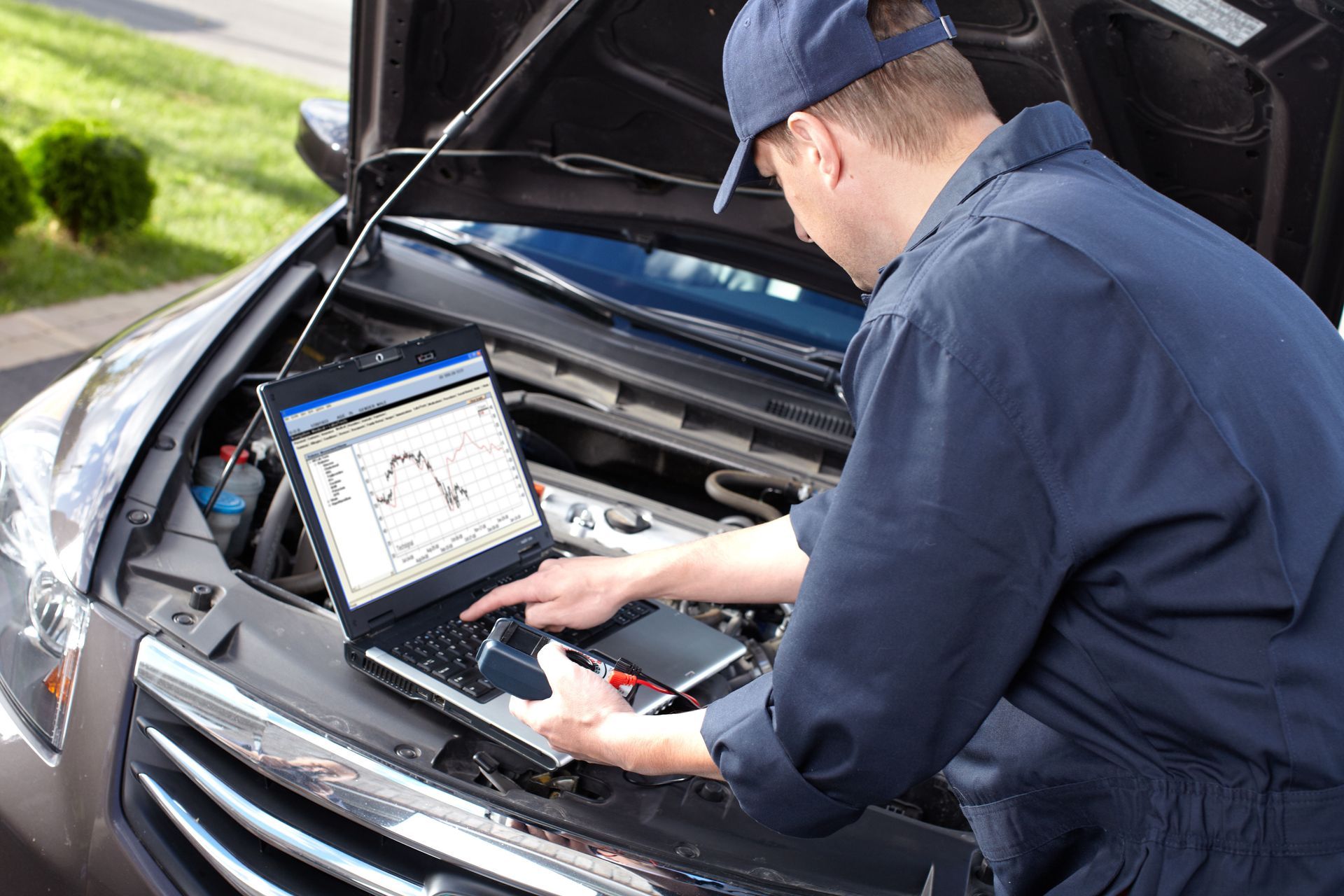
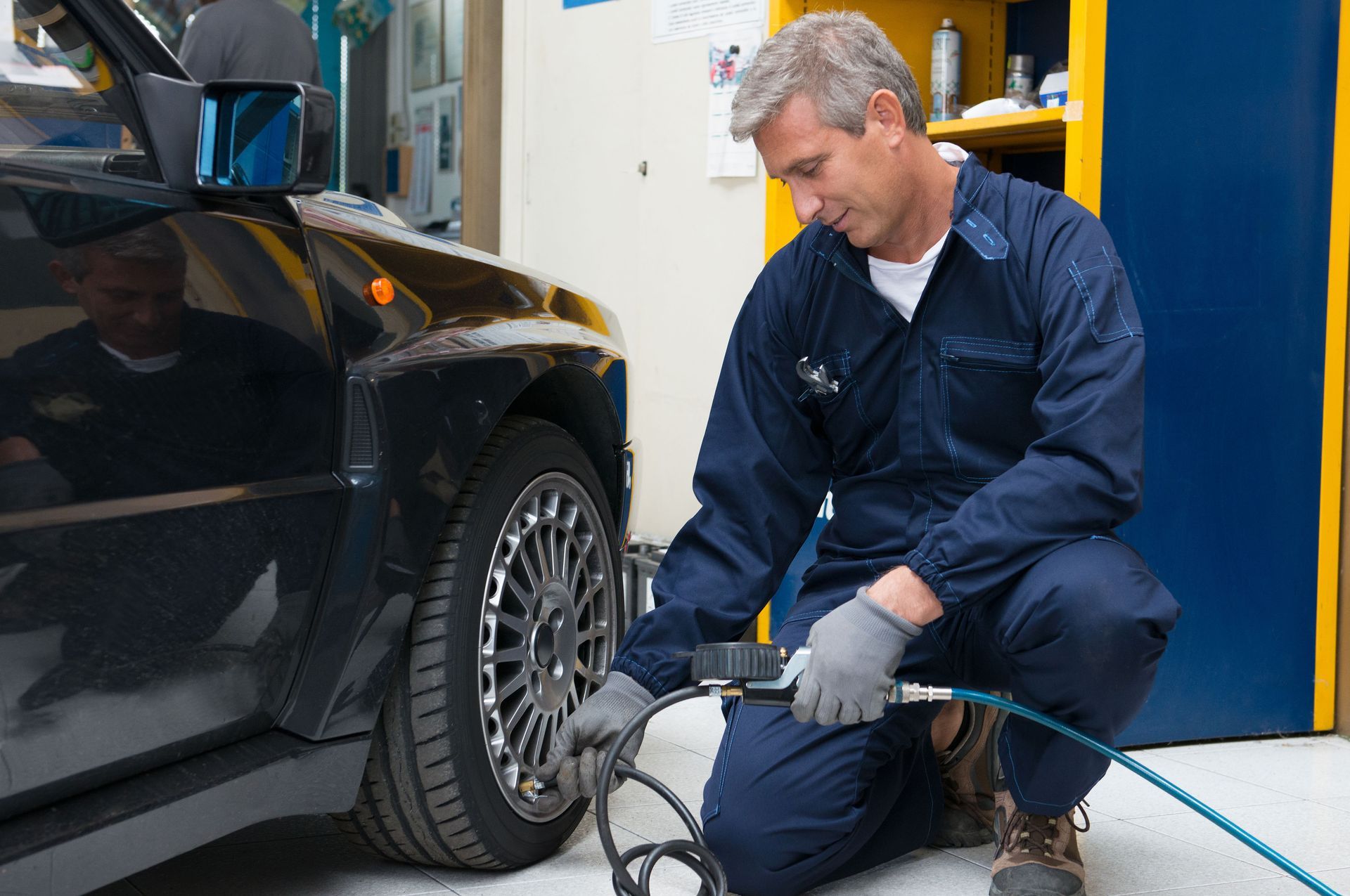
Technicians performing ADAS calibration need access to current repair information, advanced diagnostic scanners, specialized targets, and accurate measuring equipment. They must also account for factors such as tire pressure, fuel level, cargo weight, suspension condition, and steering position before beginning the procedure. Missing one preparation step can affect the final result. The rising complexity of these vehicles is increasing the demand for trained professionals who can complete the work carefully and document each stage of the process.
Reducing Risks Through Professional Service
Improperly calibrated systems may create risks because drivers often assume their safety features are operating correctly. A lane departure warning may activate too late, or an automatic braking system may misjudge the location of an obstacle. Blind-spot monitoring could fail to recognize a nearby vehicle, and adaptive cruise control might not maintain the intended following distance. Although these features do not replace attentive driving, inaccurate information can reduce their usefulness and create confusion behind the wheel.
Professional ADAS calibration helps reduce these concerns by confirming that sensors and cameras meet manufacturer specifications. Qualified technicians can scan the vehicle for diagnostic trouble codes, complete the required adjustment procedure, and verify system operation afterward. Documentation may also be provided to show that the work was completed. This level of care supports repair quality, protects the integrity of advanced safety features, and gives drivers greater confidence when returning to the road.
Preparing Repair Facilities for Continued Demand
As vehicles equipped with advanced safety technology become more common, repair facilities must decide how they will handle calibration needs. Some shops invest in dedicated equipment and technician training, while others build relationships with specialized providers. Either approach requires clear communication and careful scheduling so that calibration is included in the repair plan. Treating the procedure as an optional final step can lead to delays, incomplete repairs, and unexpected costs for both the shop and the customer.
The growing demand for ADAS calibration is also encouraging greater collaboration among collision centers, glass companies, tire shops, alignment specialists, and mechanical repair facilities. Each provider may perform work that affects a sensor or camera, making it important to recognize when recalibration is required. Shops that understand these connections can explain the process clearly, prepare customers for the additional service, and ensure that vehicles are repaired according to current safety and manufacturer standards.
Supporting Drivers With Clear Service Information
Many drivers are unfamiliar with the sensors installed throughout their vehicles or the repairs that may disturb them. Clear communication helps customers understand why recalibration is necessary even when no dashboard warning light appears. Service providers should explain which system was affected, what type of procedure is required, and how the work supports proper operation. This information can make the service feel less like an unexpected expense and more like an essential part of completing the repair correctly.
Drivers can also protect themselves by asking whether ADAS calibration is required after windshield replacement, collision repair, suspension work, tire service, or wheel alignment. They should confirm that the shop follows manufacturer procedures and has the equipment needed for their specific vehicle. As advanced systems become standard across more models, informed customers and qualified technicians will play an important role in maintaining their accuracy, reliability, and long-term performance.
The rising demand for calibration services reflects the rapid growth and increasing complexity of driver-assistance technology. Cameras, radar units, and sensors must remain precisely positioned to provide accurate warnings and support features such as lane monitoring, adaptive cruise control, and automatic braking. Repairs that affect glass, body panels, wheels, tires, suspension components, or vehicle alignment may create a need for ADAS calibration even when the system appears to be operating normally. By working with trained professionals who use proper equipment and manufacturer-specific procedures, drivers can help protect the performance of these important safety features. For professional automotive service and dependable support with your vehicle’s advanced systems, contact GTS Tires & Auto Service today.