By Albert Ramos
July 11, 2026
Purchasing new equipment for your vehicle is a significant decision that impacts your daily driving experience, safety, and overall vehicle performance. When it comes to maintaining your automobile, selecting the right set of rubber components for your wheels requires careful consideration and a bit of background knowledge. Many drivers feel overwhelmed by the sheer volume of choices available on the market today, unsure of how to distinguish between high-quality options and substandard alternatives. This is where the expertise of industry specialists becomes invaluable, guiding you through the selection process with clarity and precision. Navigating the world of tire sales can be challenging without a proper strategy, but understanding what to look for will ensure you make an informed investment. By learning how to evaluate options effectively, you can secure smooth rides and dependable traction for a long time.
Assessing Tread Depth and Pattern
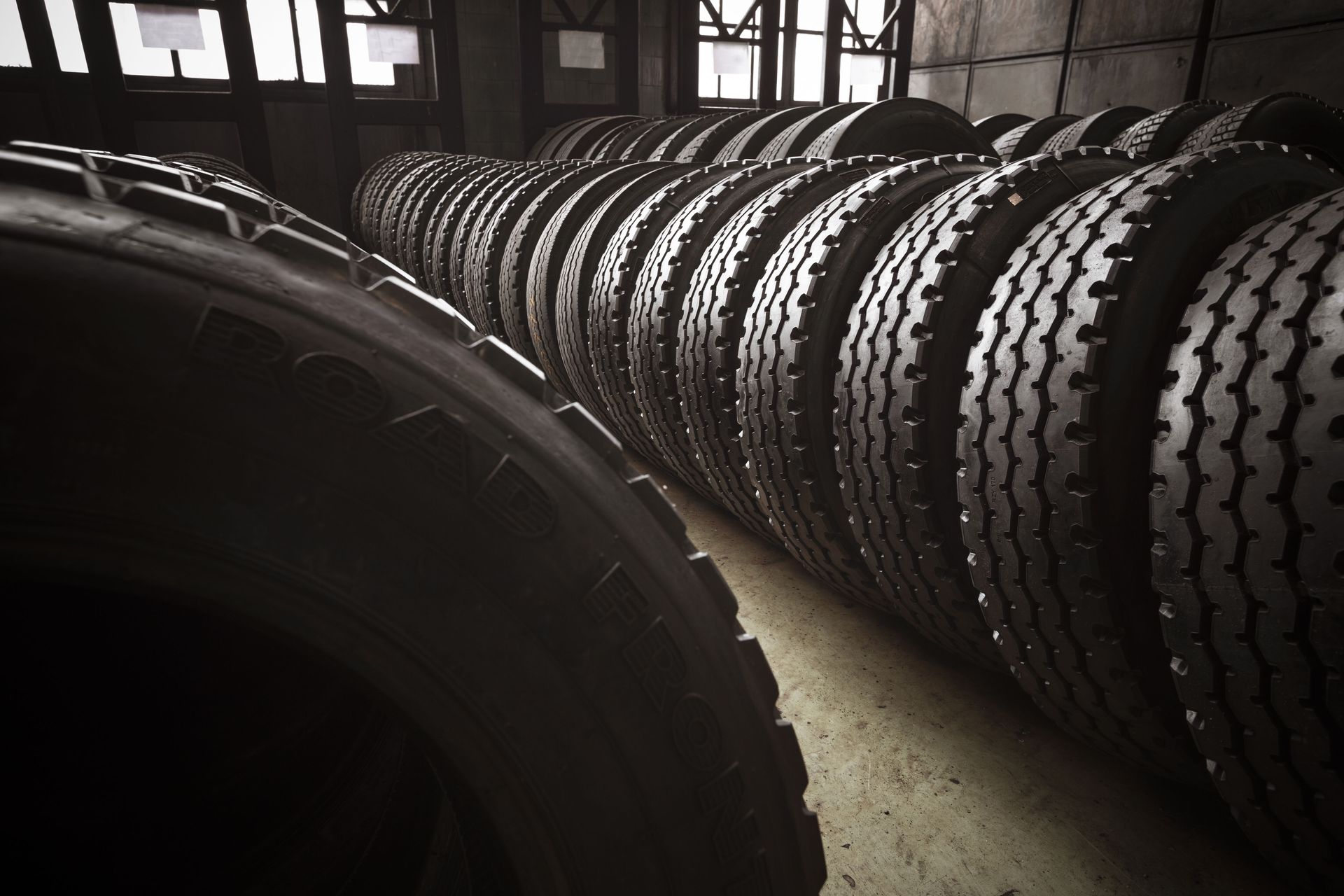
The configuration of the grooves on the surface of your rubber is fundamental to how your vehicle handles various road conditions. Industry professionals always emphasize that the design of these grooves determines how effectively water is displaced from beneath the wheel, preventing dangerous hydroplaning situations. When you observe different models, you will notice that some feature symmetrical designs while others utilize asymmetrical or directional layouts. Symmetrical configurations offer consistent performance and quiet operation, making them a common choice for standard passenger vehicles. On the other hand, directional layouts are optimized for wet weather performance, pushing water away efficiently. Evaluating these patterns allows you to match your driving habits with the appropriate technology. During major events focused on tire sales, consumers often get distracted by aesthetic choices rather than functional designs. It is vital to focus on how the pattern aligns with your specific climate and daily commute requirements.
Understanding Weather and Climate Ratings
Your local environment plays a massive role in determining which products will serve you best throughout the seasons. Vehicles operating in areas with harsh winters require specialized rubber compounds that remain flexible in freezing temperatures, ensuring adequate grip on snow and ice. Conversely, summer models are designed to withstand intense heat and provide optimal grip on dry, scorching pavement without wearing down prematurely. For individuals living in regions with moderate, changing weather conditions, all-season varieties offer a balanced compromise that performs adequately year-round. Experts who handle tire sales frequently advise motorists to look for specific symbols on the side of the product, such as the mountain snowflake emblem, which indicates certification for severe snow conditions. Selecting a product that matches your local weather ensures maximum safety and durability, preventing unexpected failures when the environment turns harsh. Always prioritize climate compatibility during your evaluation process.
Checking the Manufacture Date and Lifespan
Even if a product looks pristine on the shelf, the age of the rubber compound is a critical factor that can influence safety and performance. Rubber naturally degrades over time due to exposure to oxygen, ultraviolet light, and environmental conditions, regardless of whether it has been driven on or stored in a warehouse. Professionals in tire sales look closely at the structural integrity of the material to ensure it has not become brittle or prone to cracking. According to Consumer Reports, you should have your tires rotated every 5,000 to 8,000 miles to maximize their lifespan and maintain balanced wear across all corners of your vehicle. Regular maintenance acts in harmony with choosing a fresh product from the start. When evaluating options, ensuring you receive recently manufactured items is a smart practice that protects your investment and guarantees that the materials will perform exactly as designed for an extended duration.
Analyzing Rubber Compounds and Materials
The hidden science behind vehicle performance lies within the sophisticated chemical formulations used by manufacturers. Different blends of natural rubber, synthetic polymers, silica, and carbon black alter how a product behaves on the roadway. Softer compounds offer exceptional grip and shorter stopping distances, which is why they are highly favored for performance vehicles and sports cars. However, these softer materials tend to wear down much faster than harder alternatives. Harder rubber compounds are engineered for longevity and fuel efficiency, making them ideal for long-distance commuters and daily drivers who value durability. When researching the market and examining various promotional events centered around tire sales, understanding these material differences helps you select a product that matches your expectations for longevity versus high-end performance. Balancing these attributes requires clear knowledge of your individual driving priorities.
Reviewing Warranty and Longevity Expectations
A manufacturer's commitment to their product offers deep insight into the expected durability and quality of the materials. Treadwear warranties serve as an industry standard indicator of how long a product should last under normal driving conditions. While these warranties provide a helpful benchmark, actual longevity depends heavily on individual driving habits, road conditions, and adherence to routine maintenance schedules. Professionals look at these ratings to compare different brands and determine which options offer the most robust construction. Engaging with specialists during seasonal tire sales allows you to ask detailed questions about mileage expectations and warranty coverages. A comprehensive warranty provides peace of mind, ensuring that you are protected against premature wear or manufacturing defects. Evaluating these terms carefully helps you avoid options that might require replacement much sooner than anticipated.
Examining Sidewall Information and Specifications
The side of the rubber contains a wealth of coded information that details everything from load capacity to speed ratings. Understanding how to decode these letters and markings is essential for finding a precise match for your specific vehicle configuration. These specifications dictate how much weight the vehicle can safely carry and the maximum speed the rubber can sustain without risking structural failure. Selecting an incorrect specification can negatively impact your vehicle handling, fuel economy, and overall safety. Industry professionals utilize these markings to ensure absolute compatibility with vehicle manufacturer guidelines. When browsers look through inventory during promotional tire sales, matching these alphanumeric codes to the vehicle documentation prevents serious mistakes. Taking the time to verify these details guarantees that your vehicle operates within its intended engineering parameters safely and efficiently.
Consulting Industry Experts for Recommendations
While personal research provides a strong foundation, discussing your specific needs with qualified technicians adds an extra layer of security to your decision. Specialists possess hands-on experience with numerous brands and models, allowing them to provide real-world feedback regarding noise levels, ride comfort, and long-term durability. They can analyze your vehicle alignment, suspension health, and wear history to recommend solutions tailored to your unique situation. Seeking guidance from professionals who manage automotive inventory ensures that you do not overlook subtle factors like cabin noise or rolling resistance, which significantly affect daily driving satisfaction. Relying on expert guidance transforms a confusing shopping chore into a seamless, confident upgrade for your automobile. Professional insights ensure that every choice translates directly into enhanced safety, comfort, and dependability on the open road.
Selecting the perfect set of components for your vehicle involves analyzing tread designs, understanding material compounds, checking manufacturing details, and verifying technical specifications. By paying close attention to these critical factors, you ensure that your vehicle remains safe, efficient, and comfortable across all journeys. Prioritizing routine maintenance alongside your careful selection guarantees that your vehicle will handle beautifully in all types of weather conditions. If you are ready for a superior driving experience and reliable performance on the road, contact us at GTS Tires & Auto Service today. We will help you navigate the selection process and find the absolute best options for your specific vehicle needs.